Understanding Total Alkalinity Reagent: A Comprehensive Guide
Total alkalinity is a crucial water quality parameter, indicating the capacity of water to neutralize acids. Accurate measurement requires a reliable total alkalinity reagent. This article provides a detailed overview of total alkalinity, the reagents used for its determination, applications, and considerations for choosing the right reagent. Understanding these aspects is vital for effective water treatment and monitoring across various industries. Maintaining appropriate alkalinity levels is crucial for preventing corrosion and ensuring efficient water treatment processes.
What is Total Alkalinity and Why is it Important?
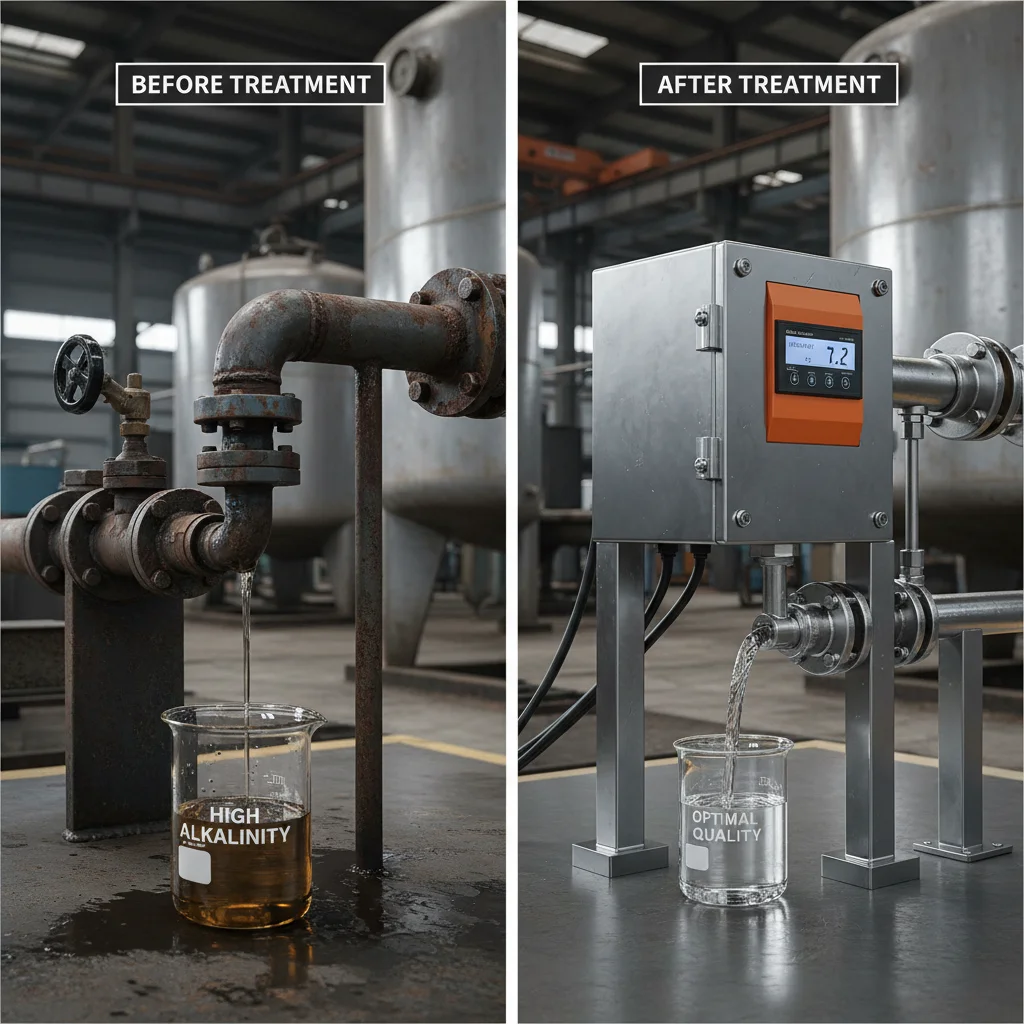
Total alkalinity represents the sum of all alkaline substances in water, primarily bicarbonates, carbonates, and hydroxides. It acts as a buffer, resisting changes in pH and preventing drastic fluctuations. This buffering capacity is essential for protecting aquatic life, optimizing industrial processes, and ensuring the effectiveness of disinfection methods. Low alkalinity can lead to corrosive water, while high alkalinity can reduce the effectiveness of chlorine-based disinfectants. Regular monitoring of total alkalinity using a high-quality total alkalinity reagent is therefore paramount.
Key Highlights: Total alkalinity acts as a buffer, resisting changes in pH. It is vital for protecting aquatic life, optimizing industrial processes, and ensuring effective disinfection.
The Role of Total Alkalinity Reagent in Water Analysis
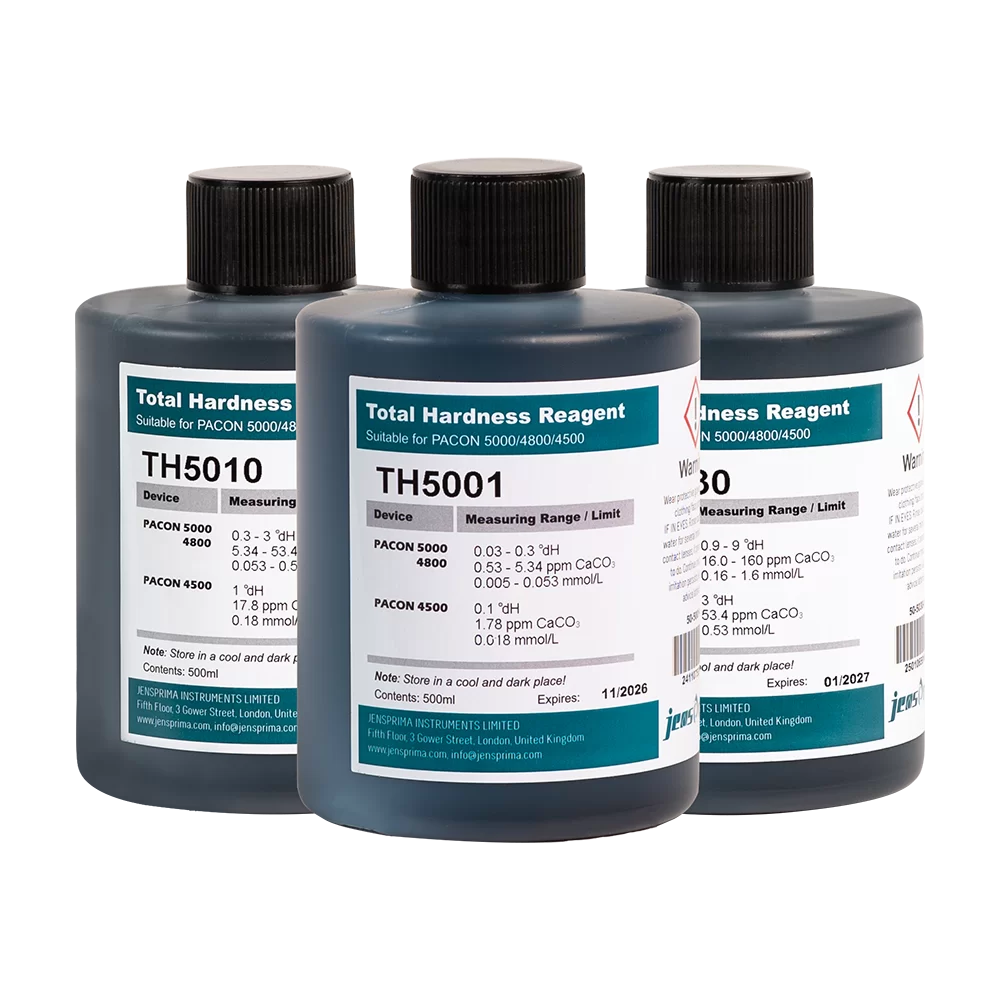
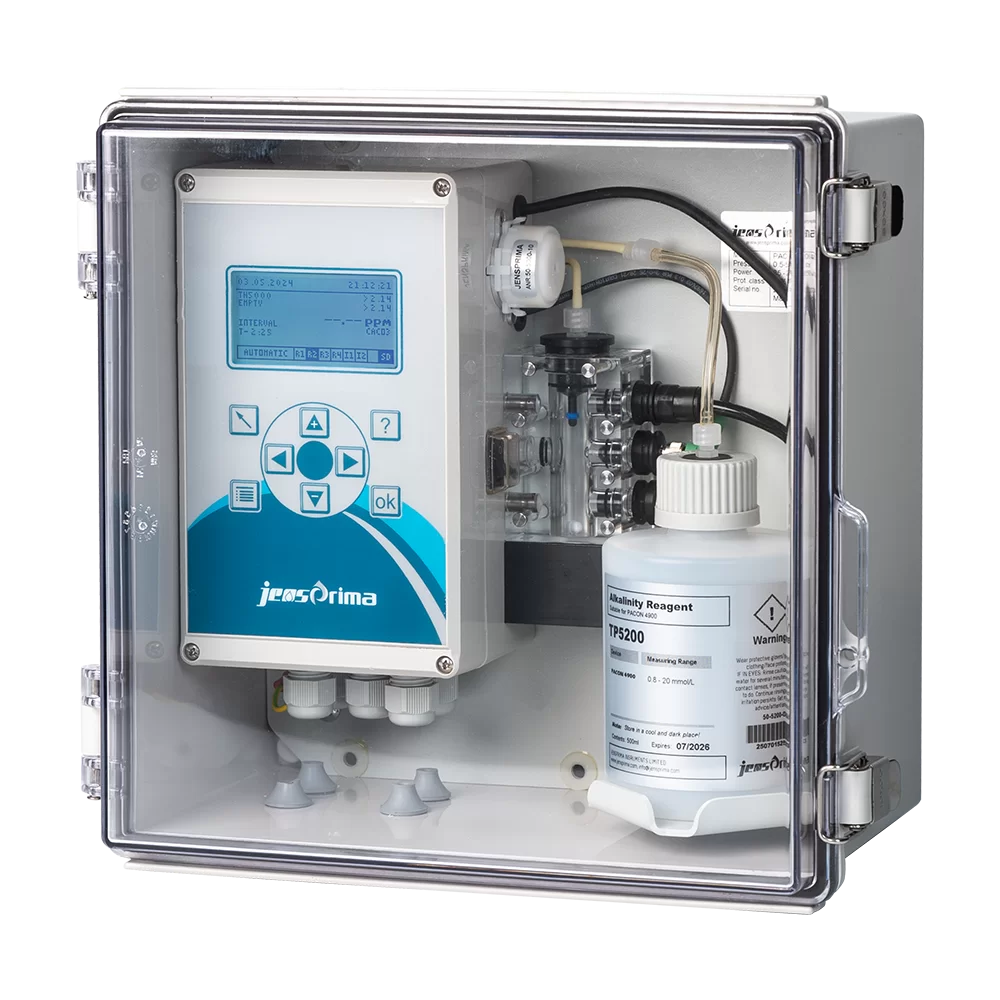
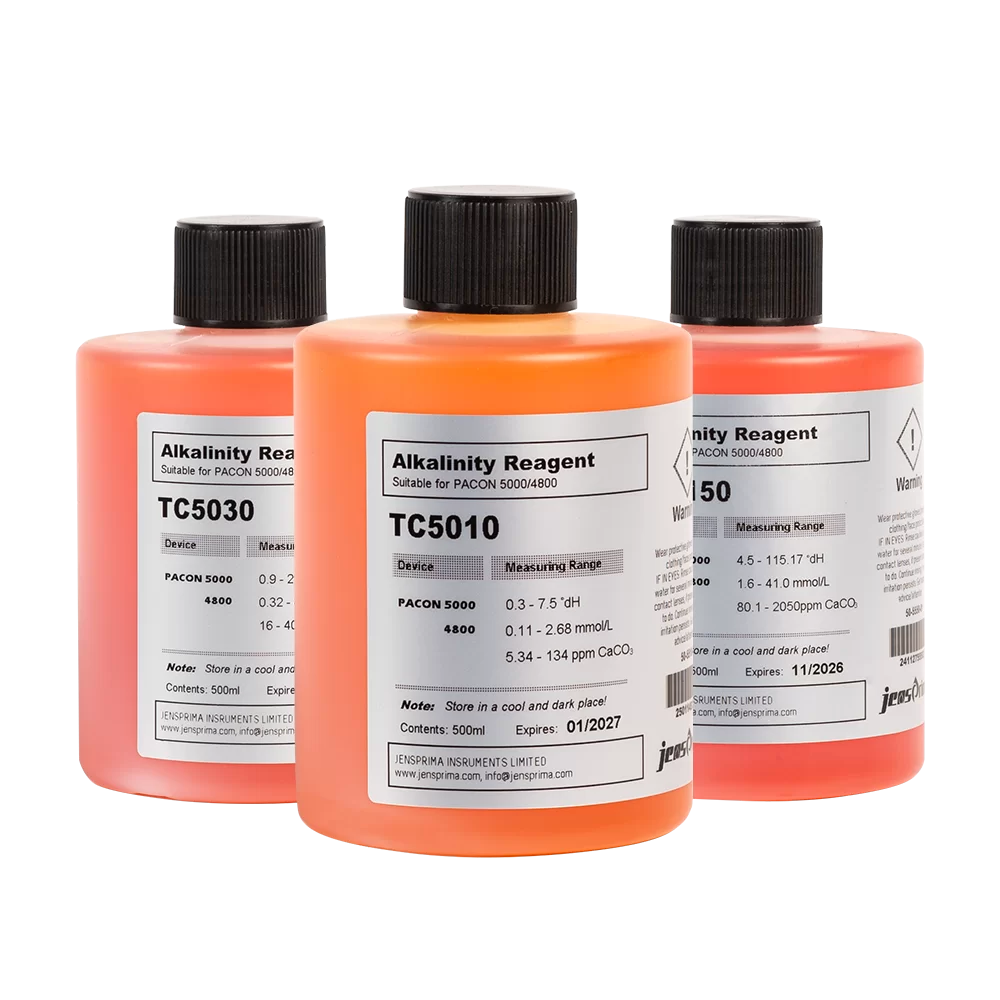
A total alkalinity reagent is a chemical solution used in conjunction with titration to determine the alkalinity of a water sample. Typically, these reagents contain a standardized acid (like sulfuric acid or hydrochloric acid) and an indicator that changes color at the endpoint of the titration. The amount of acid required to neutralize the alkalinity is directly proportional to the alkalinity concentration. Choosing a reagent with high purity and accurate standardization is essential for reliable results. Jensprima’s total alkalinity reagent are precisely formulated to meet these requirements, ensuring accurate and consistent measurements.
Benefits of Using a Reliable Reagent:
- Accurate and reliable results
- Consistent performance
- Minimizes errors in water analysis
- Ensures compliance with regulatory standards
Comparing Common Types of Total Alkalinity Reagents
Several types of total alkalinity reagents are available, each with its own advantages and disadvantages. The most common types include sulfuric acid-based reagents and hydrochloric acid-based reagents. The choice of reagent often depends on the specific application and potential interferences. It's important to consider the endpoint indicator used, as different indicators have varying sensitivities and color changes. Here's a comparison:
| Reagent Type |
Acid Type |
Advantages |
Disadvantages |
| Sulfuric Acid |
H₂SO₄ |
Strong acid, provides sharp endpoint |
Can cause corrosion, requires careful handling |
| Hydrochloric Acid |
HCl |
Lower corrosion risk, widely available |
Endpoint may be less distinct |
Applications of Total Alkalinity Measurement
Total alkalinity measurement is crucial in diverse applications: Water Treatment: Optimizing coagulation, disinfection, and pH control. Aquaculture: Maintaining suitable conditions for fish and aquatic organisms. Industrial Processes: Monitoring water used in cooling towers, boilers, and manufacturing processes. Environmental Monitoring: Assessing water quality in rivers, lakes, and streams. Consistent and accurate measurement, facilitated by a high-quality total alkalinity reagent, is essential for effective management in all these areas.
Choosing the Right Total Alkalinity Reagent: Key Considerations
Selecting the appropriate total alkalinity reagent involves several key considerations. Purity and standardization are paramount for accurate results. Consider the expected alkalinity range of your samples and choose a reagent suitable for that range. Ensure the reagent is compatible with your titration equipment and analytical method. Finally, prioritize reputable suppliers like Jensprima, who offer certified reagents with detailed quality control documentation.
Conclusion: Ensuring Accurate Alkalinity Measurement
Accurate determination of total alkalinity is vital for maintaining water quality and optimizing numerous processes. By understanding the principles of alkalinity measurement and choosing a reliable total alkalinity reagent, you can ensure accurate results and make informed decisions regarding water treatment and management. Don't compromise on quality – choose a reagent you can trust.
Frequently Asked Questions (FAQs)
What is the typical range for total alkalinity in drinking water?
The typical range for total alkalinity in drinking water is between 20 and 200 parts per million (ppm) as calcium carbonate (CaCO₃). However, acceptable levels can vary depending on local regulations and water source characteristics. Ideally, alkalinity should be maintained within a range that prevents corrosion and ensures effective disinfection. Regular monitoring using a quality total alkalinity reagent is essential to ensure compliance with these standards.
How often should I test the total alkalinity of my water?
The frequency of testing depends on the specific application and the stability of the water source. For drinking water, monthly testing is generally recommended. For industrial processes or aquaculture, more frequent testing (e.g., daily or weekly) may be necessary to ensure optimal conditions. Significant changes in water source or treatment processes should also prompt more frequent testing.
What factors can affect total alkalinity?
Several factors can influence total alkalinity, including the geology of the water source, atmospheric carbon dioxide levels, and biological activity. Industrial discharges and agricultural runoff can also contribute to changes in alkalinity. Acid rain can lower alkalinity, while the dissolution of limestone or other alkaline minerals can increase it. Regularly using a reliable total alkalinity reagent will allow you to detect and address these changes effectively.
How do I store total alkalinity reagent to maintain its effectiveness?
Total alkalinity reagent should be stored in a cool, dry place, away from direct sunlight and heat sources. Ensure the container is tightly sealed to prevent contamination and evaporation. Follow the storage instructions provided by the manufacturer. Proper storage is critical for maintaining the reagent's stability and ensuring accurate results.


 Download
 Video Center
 Technical Services
 FAQS
FAQS Service Network
 Privacy Policy
 Contact Us





 LEARN MORE